Search


Advanced Search
Nenad Bach - Editor in Chief

Sponsored Ads
 »  Home  »  Authors  »  Nenad N. Bach
Nenad N. Bach

Articles by this Author
(Page 397 of 452)   « Back  | 395 | 396 | 397 | 398 | 399 | Next »
» (H) Naiva: Fenomen vrijedan divljenja
By Nenad N. Bach | Published 04/10/2002 | Culture And Arts | Unrated

Jutro - Ivan Generalic

Fenomen vrijedan divljenja

Velikom kritickom izlozbom i znanstvenim skupom zelimo
podsjetiti da je naiva nezaobilazan segment umjetnosti XX.
stoljeca i da je hrvatska dionica u tim zbivanjima, gledano u
svjetskim okvirima, medju najvecim vrijednostima - kaze kustos
Vladimir Crnkovic
U godini svoga zlatnog jubileja kada Hrvatski muzej naivne
umjetnosti proslavlja 50. obljetnicu osnutka, kao prva
priredba te specijalizirane zagrebacke ustanove postavljena je
komorna izlozba Ivana Lackovica Croate, mala kriticka
selekcija u povodu umjetnikovih jubileja: 70. obljetnice
rodjenja i 50. obljetnice neprekinuta slikarskog djelovanja.
Izlozbu je priredio kustos Vladimir Crnkovic koji se i prije
dolaska u muzej 1998. posebno bavio fenomenom naivne
umjetnosti.
Istom prigodom, u svojstvu urednika i priredjivaca, Crnkovic je
potpisao monografsku studiju Giancarla Vigorellija u prijevodu
Tonka Maroevica o tome nasem cijenjenom crtacu i slikaru. S
kustosom Crnkovicem razgovaramo o spomenutim aktivnostima, a
zanimaju nas i drugi projekti te prosudba o polozaju naivne
umjetnosti na pocetku XXI. stoljeca u nas i svijetu.
* U Hrvatski muzej naivne umjetnosti dosli ste na radno mjesto
kustosa, voditelja zbirke i izdavacke djelatnosti. Kako ste u
novim okolnostima nastavili selektivnu kriticarsku djelatnost
po kojoj ste poznati iz prijasnjega razdoblja?
- Odmah po mome dolasku u Hrvatski muzej naivne umjetnosti
pristupili smo redefiniranju izlagacke politike i aktiviranju
izdavacke djelatnosti - kaze Vladimir Crnkovic. - To je
podrazumijevalo vrlo selektivan pristup, ponajprije
koncentraciju na estetsko, umjetnicko, kao i ukljucivanje vise
stranih stvaralaca u stalan muzejski postav. Odlucili smo
pokrenuti dvije biblioteke: izdavanje bio-bibliografija
najznacajnijih autora - dosad su obradjeni Matija Skurjeni i
Emerik Fejes - te knjiga iz teorije i kritike naive.
Godine 1999. objavili smo Gamulinove tekstove >Prema teoriji
naivne umjetnosti<, a potkraj 2001. Depolove studije, eseje,
kritike, zapise i polemike iz razdoblja 1954. - 1999. >O
naivi, naivima i srodnim pojavama<. Spomenuo bih i zadnje
izdanje, monografsku studiju Giancarla Vigorellija o Ivanu
Lackovicu iz 1983., koju smo predstavili u muzeju u povodu
poznatih Croatinih jubileja.
* Vas dolazak u muzej podudara se s pocetcima rada na jednome
od najambicioznijih projekata te ustanove otkad postoji, na
izlozbi >Fantastican svijet hrvatske naivne umjetnosti<,
odrzanoj u Muzeju lijepih umjetnosti u St. Petersburgu na
Floridi.
- Da, bila je to sretna okolnost. Samo nekoliko mjeseci nakon
dolaska u muzej, upoznao sam Michaela Milkovicha,
dugogodisnjeg direktora navedene americke institucije, koji je
dosao u Zagreb sa zeljom da nas muzej organizira
reprezentativnu kriticku izlozbu hrvatske naive u SAD. U
realizaciji toga projekta primijenjen je vrlo selektivan
odabir umjetnika, izlozili smo djela samo desetorice
najvrsnijih slikara: Ivana Generalica, Mirka Viriusa, Emerika
Fejesa, Matije Skurjenog, Ivana Rabuzina, Dragana Gazija,
Ivana Vecenaja, Mije Kovacica, Ivana Lackovica Croate i Josipa
Generalica, a katalog sadrzi iscrpnu studiju i opseznu
dokumentaciju. Toliko vrhunskih majstora i toliko
antologijskih slika hrvatske naive nikada se jos nije naslo na
okupu na jednoj izlozbi.
Osim sto je polucila golem uspjeh kod publike - vidjelo ju je
pedeset tisuca posjetitelja - ta smotra otvorila nam je niz
mogucnosti i na drugim planovima. Integralni tekst za katalog
americke izlozbe, studija o naivi i povijesni pregled hrvatske
dionice postali su osnovom za monografiju naseg muzeja, vodica
kroz zbirku, sto je dijelom financirao i navedeni americki
muzej.
Spomenuo bih i zapazeno sudjelovanje nasih umjetnika na
zadnjoj medjunarodnoj trijenalnoj izlozbi >Insite< u
Bratislavi, na izlozbi naive, art bruta i outsider arta sto je
otvorena u Slovackoj narodnoj galeriji potkraj studenog 2000.
U segmentu >Povijesna retrospektiva<, medju dvadeset
ponajboljih majstora toga specificnog likovnog izraza bijahu
zastupljeni Ivan Generalic, Skurjeni, Rabuzin i Drago Jurak,
sto je svakako velik uspjeh nase umjetnosti. I ta izlozba
dijelom je realizirana sponzorstvom Muzeja lijepih umjetnosti
iz St. Petersburga.
* Otkad datira Vasa suradnja sa Slovackom narodnom galerijom?
- S tom uglednom ustanovom tijesno suradjujem od 1994., dva
puta bio sam clan Organizacijskog odbora >Insite< i dva puta
Medjunarodnog zirija. To spominjem s razloga sto se upravo u
takvim prigodama najlakse uspostavljaju kontakti sa svijetom,
sto je za male narode i nepoznate kulture, kakva je nasa, i te
kako vazno. Bez osobnih kontakta to je gotovo nemoguce.
Bratislava je jedno od takvih vaznih mjesta gdje su
uspostavljena mnoga medjunarodna poznanstva koja su urodila
ukljucivanjem nasih umjetnika u velike projekte.
Ili drugi primjer. Da nisam godinama suradjivao i prijateljevao
s gospodjom Charlotte Zander, vlasnicom Muzeja naive i art
bruta u Bönnigheimu u Njemackoj, vjerojatno najvecemu i
najbogatijemu muzeju za tu vrstu umjetnosti, nasa spomenuta
americka izlozba ne bi bila takve kvalitete kakvu smo
ostvarili, jer smo upravo iz Muzeja Zander posudili niz
kljucnih slika za taj projekt. Gospodja Zander bila je izdavac,
ili suizdavac, osam mojih knjiga, o Gaziju, Kovacicu,
Rabuzinu, Savi Sekulicu, Skurjenom i Fejesu te Bomboisove
monografije, a sponzorirala je i druge projekte medju kojima su
moje knjige o Generalicevim i Lackovicevim crtezima odnosno
zbornik o Rabuzinu i drugo.
Ne spominjem ta imena da pokazem o kome sam sve pisao, nego da
se vidi koje sve nase umjetnike Muzej Zander ima u programu.
Stoga se ne treba cuditi sto su na zadnjoj velikoj izlozbi te
ustanove u Becu u listopadu 2001. hrvatski umjetnici - uz
francuske >slikare svetoga srca<, Rousseaua, Bauchanta,
Bomboisa, Séraphine Louis i Vivina - bili najbolje,
najbrojnije zastupljeni od svih naiva svijeta.
No, vratimo se na prvo pitanje. Da nismo poceli prakticirati
strogu selektivnost, nikada ne bismo postigli uspjeh koji smo
zadnjih godina ostvarili.
Svijet ima pravo na svoju istinu o nama, koja je cesto
disparatna od onoga sto ocekujemo, ali to nas ne smije
obeshrabriti u nastojanju da se borimo za svoje istinske
vrijednosti.
* S obzirom na poznavanje fenomena, kako prosudjujete danasnji
polozaj naive?
- Najvisi dometi hrvatske naive, zlatno razdoblje toga
osebujnoga segmenta nase moderne likovnosti, sve vise postaju
povijesna cinjenica. I to nije nista neobicno, to je
dijalektika zivota. No, moramo biti sretni i ponosni da je taj
fenomen vec zarana prepoznat, kao krajnje izdvojen u svjetskim
okvirima, kao jedna od najvisih vrijednosti.
Podsjetio bih da je Jakovsky sezdesetih godina XX. stoljeca
govorio o >jugoslavenskom cudu<, a ta sintagma odnosila se
uglavnom na hrvatsku komponentu, na umjetnike Hlebinske skole:
Ivana Generalica, Vecenaja, Kovacica, Josipa Generalica i
Lackovica te na >nezavisne autore< Fejesa, Skurjenog i
Rabuzina. Time ne zelim umanjiti prinose srpskih, danasnjih
jugoslavenskih majstora, koje osobito cijenim i cija se
kvalitetna djela nalaze i u nasemu muzeju - od Bogosava
Zivkovica do Milana Stanisavljevica, od Ilije do Save
Sekulica. Toga potonjega, jednoga od najznacajnijih umjetnika
artbrutistickih tendencija u svijetu, valjalo bi sagledavati i
unutar korpusa hrvatske umjetnosti jer je rodjen u Dalmatinskoj
zagori.
Medju nama i dalje su prisutni, i to vrlo aktivno, klasici nase
naive: Rabuzin i Vecenaj, Kovacic i Lackovic, a u zadnja dva
desetljeca nisam siguran da se pojavila ijedna istinski nova
vrijednost. Zadnja kreativna generacija stasala je pocetkom
sedamdesetih. Izdvojio bih osobito Nadu Svegovic-Budaj,
Dragicu Loncaric i Kresu Trumbetasa. Tom nizu pribrojio bih i
Sofiju Naletilic Penavusu, hrvatsku umjetnicu iz Bosne i
Hercegovine, koja je osamdesetih i pocetkom devedesetih
prepoznata kao najmarkantnija pojava moderne europske naive.
Grand Prix u Bratislavi 1994. o tome najrjecitije svjedoci.
No, nakon tih imena pocinje silazna putanja, sto ne znaci da
nisu moguca iznenadjenja.
* Znaci li to da hrvatsku naivnu umjetnost svodite na tih
petnaestak imena?
- Ne, to je samo moj uzi odbir. Mogao bih, a moguce i morao,
spomenuti jos ponekoga autora, ali ako govorimo nacelno, ako
zelim da teza koju zastupam bude sto razloznija, onda sve
treba maksimalno reducirati. Davno je vec Gamulin definirao
naivu kao stvaralastvo singularnog stila, osebujne i
prepoznatljive fizionomije te uvijek jasne umjetnicke razine -
i time ju razgranicio od amaterizma i narodne, pucke
umjetnosti.
Pitanje se odnosi i na prilike u svijetu. I tu smo svjedoci
tek manjega broja istinski novih kreativnosti. Ne moze se
ocekivati da se svakih nekoliko godina pojavi novo i veliko
otkrice. Kreativnost se moze podupirati, ali ne moze se
programirati. Kreativnost je cudo, ona je nepredvidljiva, kao
sto je i neobjasnjiva. Pojava fascinantnoga Rusa Pavela
Leonova, dobitnika Grand prixa u Bratislavi 1997., jedno je od
takvih otkrica. S radoscu mogu kazati da u nasemu muzeju imamo
tri njegove velike i znacajne slike.
Iste godine kada je Leonov nagradjen za naivu, nagradu za art
brut na >Insiti< dobio je Nizozemac Willem van Genk, danas
vjerojatno najvece zivuce ime na razmedju naive i art bruta. To
spominjem iz dva razloga. Prvo, ta nagrada je dokaz
prepoznavanja novih tematskih, stilistickih i poetickih
znacajki te svjesnog otklona od >klasicne< naive prema novim
fenomenima: art brutu i outsider artu. Drugo, jedna Van
Genkova slika nalazi se u zagrebackome muzeju jos od 1991.,
kada je samostalno izlagao u Galeriji primitivne umjetnosti,
danas Hrvatskome muzeju naivne umjetnosti, sto govori da su i
prijasnji kustosi - rijec je o Nadi Vrkljan-Krizic - bili
kompetentni te su prepoznavali nove pojave.
Ako se danas, na siroj svjetskoj razini, naiva, art brut i
outsider art zajedno izlazu, u istim izlozbenim salonima, sto
prije dvadesetak godina nije bilo vidjeno, to govori o novome
senzibilitetu, novim spoznajama, novim otkricima. Stoga ne
treba zabrinjavati sto vrsne nove naive sve manje susrecemo,
jer se javljaju novi fenomeni.
* Muzej je pred zlatnim jubilejom. Sto pripremate za tu
osobitu svecarsku prigodu?
- Kada je otvorena prva izlozba: >Stalna izlozba
seljaka-slikara< u novooformljenoj Seljackoj umjetnickoj
galeriji, 1. studenog 1952., tada nitko nije mogao znati sto
ce se sve desiti. Neprijeporno je da je vec tada prepoznata
vrijednost i izdvojenost Generalica, Viriusa i Smajica, da je
shvacen njihov novum kako u odnosu prema akademskom slikarstvu
tako i prema puckoj, narodnoj umjetnosti te amaterizmu.
Otkricem Fejesa, radnika-slikara, cija je samostalna izlozba
priredjena 1956., ustanova mijenja ime u Galerija primitivne
umjetnosti, sto korespondira s nastojanjem na svjetskom planu.

Ne bih vise zamarao s kronologijom, dovoljno je napomenuti da
je Galerija primitivne umjetnosti izdvojena iz Galerija grada
Zagreba 1994. - unutar kojih je djelovala od 1959., slicno kao
i Atelier Mestrovic - te je preimenovana u Hrvatski muzej
naivne umjetnosti. Zbog svega navedenog, to je prvi muzej
naive u svjetskim okvirima.
U svezi s navedenim jubilejom pripremamo veliku kriticku
izlozbu najvrsnijih eksponata u nasemu muzeju, podjednako
domacih i stranih autora. Time zelimo upozoriti na blago koje
cuvamo u spremistima, kao i na potrebu dobivanja vecega i
prikladnijeg izlozbenog prostora. Kriticki cemo preispitati
cijelu nasu zbirku, a katalog izlozbe bit ce dopuna i
prosirenje nase male monografije, vodica kroz zbirku, jer ce
ukljuciti znatno vise radova, medju njima i niz djela stranih
autora.
Drugo, priredit cemo simpozij da bismo fenomen naive i
djelatnost muzeja osvijetliti s vise aspekta. Sve priloge
namjeravamo objaviti u posebnom zborniku. Tim projektom zelimo
iznova podsjetiti i pokazati zasto su Generalicevi uspjesi
pedesetih godina, od Pariza preko Sao Paula do Bruxellesa,
bili opravdani, zasto su i u svezi s kojim to slikama publika
i kritika s odusevljenjem prihvatili njegovo stvaralastvo.
Zelimo takodjer podsjetiti zasto je i kako narastaj koji je
stasao sezdesetih godina, a medju njima Rabuzin napose,
nastavio, prosirio i produbio taj veliki uspjeh nase
umjetnosti na svjetskoj sceni. Zelimo pokazati kako se to
nastavlja i sedamdesetih godina i kako su svi ti uspjesi
duboko razlozni, a u svim tim dogadjanjima vaznu ulogu odigrala
je i nasa institucija.
Da zakljucim, zelimo podsjetiti da je naiva nezaobilazan
segment umjetnosti XX. stoljeca i da je hrvatska dionica u tim
zbivanjima, gledano u svjetskim okvirima, medju najvecim
vrijednostima.

Josip Skunca (Vjesnik, Utorak, 19. ozujka 2002.)

Suncokret - Ivan Generalic

» (H) Cestitka DHK Vesni Parun za 80ti rodjendan
By Nenad N. Bach | Published 04/10/2002 | Culture And Arts | Unrated


Vesna Parun - Sretan 80ti rodjendan

ZAGREB, 9. travnja - Drustvo Hrvatskih Knjizevnika cestitalo 
je u utorak Vesni Parun (1922.) osamdeseti rodjendan 
izrazavajuci poznatoj hrvatskoj pjesnikinji "i ovoga 
pramaljeca najiskrenije i hvalu i zahvalu, i odanost" zeleci 
"pregrst zdravlja, sunca i novih stihova". "Prije sedam 
desetljeca s Pramaljecem u "Andjelu cuvaru" odvazno si i 
nenadmasno zapocela broditi ovim jedinim i pocesto neveselim 
svijetom i tkati zacudnu, iznimno bistru i plodonosnu rijeku 
nezaboravnih stihova i antologijskih pjesama u jeziku 
hrvatskome", pise u rodjendanskoj cestitki dopredsjednik DHK 
Andjelko Novakovic. Vesna Parun pjesmu Pramaljece objavila je u 
osnovnoj skoli u listu "Andjeo cuvar" (1932.). "Tvoje zore i 
vihori, Tvoje crne masline i zavicajni koralji, Tvoje tuge i 
radosti vec desetljecima nepomuceno stoluju i odzvanjaju u 
nasim dusama, kao i u srcima uistinu nebrojenih postovatelja 
Tvojih lucidnih pjesnickih, proznih i dramskih ostvarenja", 
napominje u cestitki Novakovic. (Hina)

» (H) "Hrvatska Prica" u Montevideu
By Nenad N. Bach | Published 04/10/2002 | Culture And Arts | Unrated


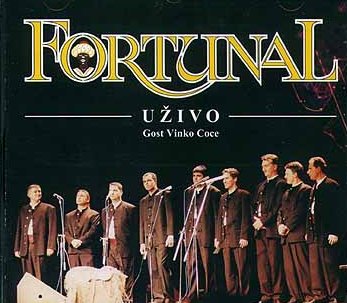
ZAGREB, 9. travnja - U organizaciji Hrvatske matice iseljenika (HMI) glazbeno-scenski projekt Hrvatska Prica gostovao je ovih dana u dvorani >Zitarrosa< u Montevideu. U sklopu projekta, koji predstavlja kulturni, glazbeni i turisticki vid  Hrvatske, u glavnom gradu Urugvaja nastupili su Tamburaski orkestar HRT-a pod ravnanjem Sinise Leopolda, rijecka klapa Fortunal te dvoje solista, sopranistica Barbara Otman i bariton Miroslav Zivkovic, izvijestila je HMI. 

Iako je hrvatska zajednica u Urugvaju jedna je od starijih u tome dijelu svijeta, mnogi od posjetitelja dvorane Zitarossa mladjega narastaja ne govore hrvatski, no unatoc tomu goste iz  Hrvatske odusevljeno su pozdravili. Nastup >Hrvatske price< priredio je Hrvatski dom, utemeljen 1928. Hrvatski umjetnici sudjelovali su i u emisiji za Hrvate na radio postaji 
>Independencia<, koja se emitira jedanput tjedno, a na dan 
nastupa, 7. travnja, proslavila je svoje 2500. izdanje. (Hina)

Op-ed

Izuzetni umjetnicki izraz klape Fortunal pomalo osvaja svijet. Podrzite ih.

Nenad

» (H) Sve upucuje na "ostavstinu" mimo ostavstine - Krleza
By Nenad N. Bach | Published 04/9/2002 | Culture And Arts | Unrated

KRLEZA


Sve upucuje na "ostavstinu" mimo ostavstine

Da rukopis seste knjige "Zastava" postoji, ili je barem
postojao, upucuje i niz Krlezinih iskaza. Sestu knjigu Krleza
spominje na vise mjesta u razlicitim svojim tekstovima. Prije
svega, u dnevnickim zapisima iz prosinca 1968. govori o tome
kako je dosao do polovice te knjige i kako se nada da ce do
veljace 1969. imati oko 300 stranica

VELIMIR VISKOVIC

U proslom Nedjeljnom Vjesniku dr. Zeljko Sabol se ukljucio u
raspravu o Krlezinoj rukopisnoj ostavstini energicno izrecenom
tvrdnjom da sesta knjiga Krlezina romana "Zastave" nije
pronadjena jer nije ni mogla biti nadjena: ona, jednostavno,
nije ni napisana. Sabolovo misljenje svakako treba ozbiljno
uzeti u obzir jer je rijec o poznatome grafologu (uz ostalo i
autoru clanka o rukopisu M. Krleze u enciklopediji
"Krlezijani"); Sabol je sredinom osamdesetih grafoloski
obradjivao Krlezine rukopise: na temelju njegove rekonstrukcije
objavljena je dijarijska knjiga "Zapisi sa Trzica".
Svoju tvrdnju potkrepljuje dvama argumentima: 1. nevjerojatno
je da postoji rukopis seste knjige "Zastava", jer bi to Krleza
sigurno najavio i objavio; 2. da je knjiga postojala u
rukopisu, svakako bi dosla u njegove, tj. Sabolove ruke, jer
je Krlezine rukopise trebalo grafoloski odgonetavati zbog
necitljivosti, sto je Cengic povjeravao njemu u doba izdavanja
Sabranih djela.
Uza sve postovanje prema Sabolovoj strucnosti i njegovu
poznavanju Krlezina opusa, usudio bih se primijetiti da mi se
njegovi argumenti ne cine uvjerljivima. Prije svega, nitko
nikad nije ni ustvrdio da je postojala dovrsena sesta knjiga
romana koju je samo trebalo tiskati.
Da je postojala, zasigurno bi je objavio sâm autor za zivota;
cak ako je i postojao neki kompozicijski i stilski koherentan
rukopis, cinjenica da ga autor nije objavio, mogla bi znaciti
samo da ga nije smatrao potpuno zavrsenim te da je jos na
njemu zelio raditi. Stoga sam, bar ja osobno, dosad govorio
samo o nedovrsenoj sestoj knjizi (ako to nisam izricito svaki
put isticao, iz konteksta se to podrazumijevalo).
Na drugi Sabolov argument, kako rukopis seste knjige ne
postoji jer ga on nije vidio, mogu samo odgovoriti da mu
vjerujem da tu knjigu nije vidio, ali da to ne znaci da ona ne
postoji; naime, drzim da je Sabol vidio samo manji dio
Krlezinih rukopisa. Cengic, pretpostavljam, nije ni imao
potrebe da mu taj rukopis pokazuje jer se vjerojatno nije
radilo o rukom pisanom autografu; cjelokupna gradja vezana za
ostalih pet knjiga "Zastava", a rijec je doista o golemoj
kolicini papira (tisucama kartica), pisana je strojem; ima i
nesto neuvezanih araka iz casopisa Forum u kojemu je tiskana
prva varijanta romana i vrlo malo rukom pisanih stranica;
doduse, na strojopisnim karticama ima dosta rukom unesenih
Krlezinih intervencija. Pretpostavljam da je Krleza tekst
"Zastava" rukom koncipirao samo u natuknicama, a da je potom
svojim tajnicama diktirao integralnu varijantu teksta na kojoj
je potom dalje radio.
Stoga osim triju objavljenih varijanti romana ("Forum",
"Zora", "Oslobodjenje"), medju kojima postoje goleme razlike,
postoji i niz, da tako kazem, medjufaznih varijanti koje nikad
nisu tiskane. Pripremni tekstovi - biljeznice s naslovom
"Galerija likova", u kojima su opisane karakteristike likova i
njihove uzajamne relacije, te golema povijesna studija u kojoj
je opisana politicka pozadina zbivanja u romanu - svjedoce o
silnome Krlezinu trudu ulozenom u taj roman. Sve je to
pronadjeno i zasigurno ce biti iznimno korisno buducim
istrazivacima Krlezina djela.
Na temelju uvida u gradju vezanu za pet poznatih knjiga
"Zastava", mozemo pretpostaviti i da je rukopis seste
najvjerojatnije sacuvan u strojopisnoj verziji. A da ona
postoji, dakako - nedovrsena, u vise navrata potvrdio mi je
akademik Ivo Franges. U posljednjem razgovoru, nakon
objavljivanja teksta o ostavstini u pretproslom Nedjeljnom
Vjesniku, upozorio me da tekst kojeg je on svojedobno imao u
rukama (dobio ga je s Cengicevom sugestijom da ga priredi za
tisak) nije imao formu kontinuirane knjige vec se radilo o
nizu fragmentarnih scena koje redaktorskim zahvatima nije bilo
moguce povezati pa je on, kao urednik sarajevskog izdanja
"Sabranih djela" nakon Malinarove smrti, odustao od
objavljivanja knjige i rukopis vratio Cengicu.
Da rukopis postoji, ili je barem postojao, upucuje i niz
Krlezinih iskaza. Sestu knjigu Krleza spominje na vise mjesta
u razlicitim svojim tekstovima. Prije svega, u dnevnickim
zapisima iz prosinca 1968. govori o tome kako je dosao do
polovice te knjige i kako se nada da ce do veljace 1969. imati
oko tri stotine stranica.
U knjizi "Pisma" sarajevskog izdanja "Sabranih djela" naci
cemo pisma upucena Zoltanu Csuki (4. rujna 1972.) i Mariji
Krukowskoj (21. sijecnja 1974.) u kojima Krleza govori o tome
kako ocekuje skoro tiskanje seste knjige. O toj knjizi cesto
razgovara i s Enesom Cengicem; primjerice, 2. lipnja 1976.
godine rekao mu je:
"A sto se seste knjige tice, ne znam ni sâm. Napisana je, ali
ima jos na njoj da se radi. Sve imam u glavi, no rekao sam
vec: ne pise se samo glavom, vec i straznjicom. Sada nemam
volje, nemam strpljenja da pisem". (S Krlezom iz dana u dan,
1985, knj. 2, str. 125)
Na temelju tog citata moze se zakljuciti da knjiga nije posve
gotova, ali zasigurno postoji u nekom radnom, nezavrsenom
obliku. Ta ga knjiga opsesivno proganja; stalno Cengicu govori
o tome da "zastavira" (radi na "Zastavama"); 19. travnja 1979.
(knj. 3, str. 177) izrijekom mu potvrdjuje da je knjiga
napisana ("nije u glavi, nego na hartiji"); stovise, i
precizira koje razdoblje ona obuhvaca ("sesnaesta, sedamnaesta
i osamnaesta godina"), a to znaci da bi ona popunila vremensku
prazninu izmedju trece i cetvrte knjige petosvescanog izdanja
"Zastava". Krleza spominje i naslov te seste knjige: "Na
lijepom plavom Dunavu".
Zanimljivo je da na nekim mjestima Krleza spominje i rad na
sedmoj knjizi, primjerice, u pismu Csuki 5. listopada 1971.,
ali i u razgovoru s Cengicem (knj. 2, str. 146). Poznavajuci
Krlezine navike, doista nije nemoguce da je poceo nesto raditi
na sedmoj knjizi, a da prethodno nije zavrsio sestu.
Iako sam svjestan cinjenice da je u umjetnika uobrazilja
iznimno razvijena, da svi mi koji pisemo, cak i ako nismo
umjetnici, volimo tekstove koje imamo u glavi zamisljati, pa i
uvjeravati druge, da su vec napisani; ipak ne vjerujem da je
Krleza sestu knjigu "Zastava" posve izmistificirao i da je ona
ostala samo u njegovoj glavi.
Postoji mogucnost i da smo mi koji smo pregledavali Krlezinu
ostavstinu ponesto i previdjeli. Rijec je o desecima,
vjerojatno i stotinama tisuca kartica gradje (ne znam je li
netko izmjerio tezinu tih 14 golemih sanduka, ali vjerojatno
ono sto je u njima tezi barem jednu tonu); u ovom prvom
pregledu nismo mogli detaljno proucavati svaki papiric,
nastojali smo samo naciniti elementarnu evidenciju gradje,
odijeliti tekstove kojima je autor sam Krleza od onih koje su
druge osobe uputile njemu te izdvojiti neobjavljene radove od
objavljenih.
Ipak, ne vjerujem da nam je mogao promaknuti citav fascikl
(ili odeblja biljeznica, ili veci snop papira), a buduci da
sam osobno svako Krlezino djelo procitao nekoliko puta,
vjerujem da bih uspio locirati kamo pripada rukopis u kojemu
se spominju likovi iz "Zastava".
Ako je tocan Frangesov iskaz da je osamdesetih godina imao u
rukama fragmentarni rukopis seste knjige "Zastava", jasno je
zasto tog rukopisa nema u ostavstini koja se nalazi u NSK.
Naime, Krlezina je ostavstina (uz dosta peripetija i javnih
polemika) nakon njegove smrti pohranjena u trezore Nacionalne
i sveucilisne knjiznice. Ako je netko zelio doci do nekog
rukopisa sredinom osamdesetih, mogao je to uciniti jedino tako
da prodre u trezor, polomi pecate i iznese rukopise; naravno,
na isti takav nacin ih je mogao i vratiti. No, drzim da je
takva mogucnost iskljucena.
Medjutim, neke cinjenice jasno upucuju na zakljucak da sva
Krlezina rukopisna gradja nije pohranjena u Sveucilisnu
knjiznicu. Enes Cengic je u svojim knjigama razgovora s
Krlezom objavio nekoliko tekstova iz Krlezine rukopisne
ostavstine. Na temelju rukopisa objavljeni su i "Zapisi sa
Trzica". Zeljko Sabol ih je grafoloski obradjivao sredinom
osamdesetih, iz cega je ocito da oni nisu bili pohranjeni s
ostalom rukopisnom ostavstinom. Pretpostavljam da je te
rukopise Cengic objavljivao s Krlezinim (pismenim ili samo
usmenim?) dopustenjem. Za neke rukopisne dokumente jasno je da
je Krleza zelio da budu objavljeni, primjerice, odnosi se to
prije svega na Promemoriju istrazivacima tzv. "sukoba na
ljevici" koja je najprije objavljena 1982. u sarajevskom
casopisu Dalje i Cengicevoj monografiji "Krleza", a tek potom
u Krlezinoj knjizi "Dijalekticki antibarbarus".
Osobno mi je, kao istrazivacu Krlezina opusa, drago da je
Cengic objavio nepoznate Krlezine rukopise. Drugo je pitanje
je li to posve suglasno slovu Krlezine oporuke po kojoj svi
rukopisi moraju biti pohranjeni na 20 godina u Nacionalnu i
sveucilisnu knjiznicu. Ali ostavljam to pitanje pravnicima.
Mene kao krlezologa u ovom trenutku najvise zanima sto je od
Krlezinih rukopisa ostalo u posjedu Cengicevih nasljednika. Ja
znam da je Cengic uzivao Krlezino povjerenje; u najtezim
trenucima Krlezina zivota bio je uz njega; ucinio je mnogo i u
poslu tiskanja njegovih djela. Ne treba smetnuti s uma da je
sarajevsko izdanje "Sabranih djela" (uza sve pojedinacne
nedostatke) jedino dosad zavrseno izdanje nakon vise pokusaja
u proslosti; njegove knjige razgovora s Krlezom zanimljivo su
i vrijedno stivo. Mislim da mu je uvijek bila u interesu
afirmacija Krlezina umjetnickog djela, da se omoguci njegovo
proucavanje te da se potakne izdavacki i citateljski interes.
Ocekujem stoga da ce njegovi nasljednici pregledati Cengicevu
ostavstinu, sami ili uz pomoc vanjskih strucnjaka, izdvojiti
Krlezine rukopise za koje pretpostavljam da bi se u toj
ostavstini mogli naci, zatim knjige s Krlezinim redakturama i
dopunama priredjenima za sarajevsko izdanje "Sabranih djela" te
da ce taj krlezinski fond prikljuciti ostalim rukopisima
pohranjenim u trezoru Nacionalne i sveucilisne knjiznice.
Vjerujem da bi i Enes tako postupio.

» (H) OBJAVLJEN POSAVSKI NARODNI KALENDAR
By Nenad N. Bach | Published 04/9/2002 | Culture And Arts | Unrated
 
 
OBJAVLJEN «POSAVSKI NARODNI KALENDAR» 
Povjest, sadašnjost i kultura bosanske Posavine 
 
ZAGREB/ORAŠJE- Svjetlost dana je ugledala nova knjiga «Posavski narodni 
kalendar 2002». Nakladnik tradicionalnog zbornika je HKD»Napredak» Sarajevo, 
podružnica Orašje i podružnica u osnutku u Hrvatskoj Kostajnici. Urednik 
kalendara na 200 stranica je Mato Krajinovic, a piše nekoliko autora. 
 
«Posavski narodni kalendar 2002», iako izišao sa zakašnjenjem, donosi niz 
priloga o povjesti, sadašnjosti i bogatoj kulturnoj baštini bosanske 
Posavine. Na pocetku knjige je dio o novinama i novinarima bosanske 
Posavine, uz osvrt na zacetak novinarstva u BiH u 19. stoljecu. Nastavlja 
se serijal 1500 pjesama iz okolice Bosanskog Šamca, Odžaka i Modrice. 
Kvalitetan je prikaz knjižnica i citaonica u Posavini, od 19. stoljeca do 
danas, gdje se vidi bogatstvo pisane rijeci u Posavljaka. 
 
Zanimljiv je tekst o Ani Dolecek, ljecnici u plehanskom kraju, inace 
Cehinji. Tekst «Bosanska Posavina na Internetu» pokazuje kako su Posavlajci 
povezani diljem svijeta,Internetom.Tužna je prica o srpskom logoru u 
Sremskoj Mitrovici i zatocenim Posavljacima, haaškim svjedocima. Opisano je 
i stradanje Posavljaka i Banjolucana u Domovinskom ratu. Opširan je tekst o 
opcini Donji Kukuruzari kod Hrvatske Kostajnice, gdje je naseljeno nekoliko 
tisuca Posavljaka. 
Dio o sportu i dio o književnoj baštini bosanske Posavine, te prikaz 
nekoliko knjiga posavskih autora su tradicionalni. Na naslovnici knjige je 
umjetnicka slika «Golgota», iz zbirke franjevackog samostana Plehan. 
Simbolika golgote i uskrsnuca Hrvata bosanske Posavine. 
 
Boris CAVAR 
 
Distributed by www.CroatianWorld.net. This message is intended for Croatian Associations/Institutions and their Friends in Croatia and in the World. The opinions/articles expressed on this list do not reflect personal opinions of the moderator. If the reader of this message is not the intended recipient, please delete or destroy all copies of this communication and please, let us know! 
» (H) Hrvatski gitaristi sedam puta prvi u Italiji
By Nenad N. Bach | Published 04/9/2002 | Culture And Arts | Unrated


Hrvatski gitaristi sedam puta prvi


LOVRAN/VIAREGGIO, 8. travnja - Mladi su hrvatski gitaristi 
osvojili cak sedam prvih nagrada na medjunarodnome 
gitaristickom natjecanju "Simone Salmaso" koje je od 6. do 8. 
travnja odrzano u talijanskome gradu Viareggiu. Prvu nagradu u 
C kategoriji s najvisim brojem bodova osvojio je Hrvoje Ton, 
polaznik poslijediplomskoga studija Visoke skole za glazbenu 
umjetnost u Lovranu, dobivsi 1000 eura te pravo odrzavanja 
koncerta u Rimu. Prvu nagradu u B kategoriji osvojio je Vlado 
Brzovic, student druge godine istoimene Skole, a drugu nagradu 
Vedran Roguljic, ucenik trecega razreda Srednje glazbene skole 
u Lovranu. Srdjan Bulat iz splitske glazbene skole "Josipa 
Hatzea" u B kategoriji podijelio je trecu nagradu s meksickim 
gitaristom. Prvu nagradu u A kategoriji za mlade gitariste 
osvojila je Ivana Tucakovic iz Glazbene skole u Novskoj, a 
drugu i trecu nagradu ucenici zagrebacke srednje glazbene 
skole "Pavla Markovca" Matija Mundjer i Aleksandra Nadj. Na 
natjecanju su nastupili i gitaristi iz Argentine, Meksika, 
Njemacke, Poljske, Velike Britanije, Italije i Bugarske. 
(Hina)

» (E) Young Croatian Guitarists Win 7 Times
By Nenad N. Bach | Published 04/9/2002 | Culture And Arts | Unrated


LOVRAN/VIAREGGIO April 8 - Young Croatian guitarists won seven awards at the"Simone Salmaso" international guitarist competition held April 6-8 in the Italian city of Viareggio. First place in the C category with the most votes was Hrvoje Ton, a graduate student for musical art in Lovran who received 1000 Euros and the right to hold a concert in Rome. First place in the B category went to Vlado Brzovic, a second year student at the Lovran music school, while second place went to Vedran Roguljic, a third year student at the Lovran music school. Srdjan Bulat, from the "Josip Hatze" music school in Split shared third place in the B category with a Mexican guitarist. First place in the girl's A category went to Ivana Tucakovic from the Novska music school, while second and third places went to Matija Mundjer and Aleksandra Nadj respectively of the "Pavle Markovac" music school in Zagreb. Guitarists from Argentina, Mexico, Germany, Poland, Great Britain, Italy and Bulgaria took part in the competition. 

Translated by Marko Puljic

» (E) THE COMING BELGOSLAVIA by Tomislav Sunic
By Nenad N. Bach | Published 04/8/2002 | Published Articles | Unrated
 
(Chronicles, A Magazine of American Culture), April 2002 
 
http://www.chroniclesmagazine.org/Chronicles/April2002/0402Sunic.htm 
 
From the April 2002 issue of Chronicles: 
 
Letter From Belgium 
by Tomislav Sunic 
 
The Coming Belgoslavia? 
 
What was meant to grow separately cannot last long as an artificial whole. 
This prehistoric wisdom seems to be forgotten by advocates of 
multiculturalism-which is just a misleading euphemism for polyethnism and 
multiracialism. The unpredictable side of multiracial conviviality seems to 
be deliberately overlooked by political elites in multiethnic and 
multiracial Belgium, a miniscule country that has recently been rocked by 
pedophile scandals in the lofty corners of high politics. Its venerable 
royal court, under King Albert, and the liberal-leftist coteries in power 
have found themselves popularly referred to as the "Chester Molesters in 
charge of running Belgoslavia." 
The separatist-minded Flemings also derisively dub the Belgian state "the 
last Soviet republic." There may be some truth to that appellation, and not 
just because Brussels is the site of the Ceausescu-style building that 
houses the E.U. eurocrats. The Belgian postal authorities have recently 
produced a stamp with Lenin's face on it. That which would be violently 
rejected in the more virile postcommunist Balkans or Russia seems to enjoy 
market value among the political class and socialist trade unions in this 
artificial state. By contrast, any minor and inoffensive joke against the 
rising tide of illegal Asian immigrants, or any criticism of the Asian and 
Albanian drug dealers who have invaded Antwerp, can get you into legal 
trouble and earn you the label of a racist right-winger. 
A complicated coalition government, elected on a proportional basis, runs 
the country. Belgium has two parliaments but refuses to accept the Flemings 
as a separate and distinct ethnic group within the clearly defined federal 
republic. Instead, the leftist-controlled media refer to the Flemings as 
the "Dutch-speaking residents of Belgium residing in the 'region' of 
Flandres." The phrase "region de Flanders" is in every politician's mouth. 
In the early 1970's, the Flemings, after a century-long legal (and often 
violent) fight, had managed to win a great deal of linguistic and cultural 
autonomy, but Francophile Jacobinism still lurks everywhere. The 
pro-government media quickly rebukes as racism any sign of Flemish 
separatism or nationalist sentiment. 
The towering irony is that the Flemings are not an ethnic minority in 
Belgium. They represent the absolute majority, totaling 6.6 million 
residents. Unlike the 3.5 million French-speaking Belgian Walloons, who are 
located in the southern half of Belgium, the Flemings have a more 
pronounced sense of national identity and cultural distinctiveness, which 
cannot be solely attributed to their Germanic roots or their distinct 
language. For over a century, Flanders has been part and parcel of a larger 
entity, and most Flemings, regardless of their political credo, reject 
centralism, which has been exported to them by neighboring France since the 
14th century. Within this context, we can understand why the so-called 
right-wing nationalist Vlaams Blok has a rather poor and awkward 
relationship with Jean-Marie le Pen's Front National in France. The party 
is, however, rather supportive of the separatist Quebecois in Canada and 
shows no hesitation in backing the autonomy of Northern Ireland or the 
Basques. In France, on both the right and left wings of the political 
spectrum, hardly anyone questions the centralized structure of the French 
state. 
That is not the case in Flanders, which nurtures a strong central-European, 
confederalist, and quasi-imperial attitude toward former bits and pieces of 
the defunct Habsburg Empire. The Belgian government, eager to show its 
politically correct credentials, was in the forefront of the condemnation 
two years ago of the alleged xenophobia of Austria's Jorg Haider. Flemish 
nationalists quickly responded to the Belgians' undiplomatic posturing. The 
Vlaams Blok loudly sided with Haider's beleaguered FPO party and his 
coalition government, rapidly dispatching truckloads of Flemish youngsters 
to mountainous Austrian Corinthia on skiing holidays. 
The Flemings' pro-Central European inclinations are firmly grounded in 
history. During the Flemish-born Charles V's reign, Flanders became part of 
the vast, confederal Holy Roman Empire, whose longevity and solid structure 
overshadows the nebulous Soviet-inspired European Union. The Holy Roman 
Empire's main goal was to chase the Turks out of Europe and to keep the 
Turkish ally in the West-treacherous proto-Jacobin France-from crossing the 
Rhine River. The terrorist artillery bombardment of Brussels by Louis XIV 
is often cited among Flemings as a warning against any rapprochement with 
France. By the end of the 17th century, while Louis XIV was realizing his 
aggressive dreams in the west, Flemish volunteers, along with thousands of 
Central European fighters under the charismatic Prince Eugene of Savoy, 
were desperately trying to stem the Turkish tide in Central Europe. Even 
today, Flemings harbor a great deal of sympathy for the Habsburg Empire and 
its mythic queen Maria Theresa. Not surprisingly, Flemish nationalists were 
among the first to flock to the aid of Croatia after Croatia's proclamation 
of independence in 1991. The Walloons, as well as the neighboring French, 
were not happy with the dissolution of multiethnic Yugoslavia. Its breakup 
vividly reminded them of their own historical miscreants. 
A foreigner must be cautious in addressing a Flemish passerby in French. A 
Fleming will feign ignorance and play dumb, although he may speak perfect 
French. Yet, when approached by a foreign tourist, he will immediately 
start speaking fluently in both English and German and will escort the 
tourist to the next village and show hospitality. Even a simple Flemish 
garbage collector gets by in three different languages. In Wallonia, it is 
a miracle to encounter a public official who speaks a word of Dutch, let 
alone one who can stutter broken English or mutter some German words. 
Although smaller nations are seldom enamored of their big neighbors, 
Flemish nationalists are amicable toward Germany. Their overtly warm ties 
to Germany during the past century have led to setbacks in their quest for 
independence. They are immediately called "former Nazi collaborators" by 
leftist journalists each time the Vlaams Blok makes some politically 
incorrect statement. And while the Flemings speak the same language as the 
neighboring Dutch (and despite the fact that Flanders was, from 1816 to 
1830, part of the larger United Kingdom of the Netherlands), they do not 
have pronounced affection for the Dutch. Their Catholic tradition and their 
baroque mentality have separated them from their Protestant and mercantile 
next-door neighbors. An important figure from the Vlaams Blok Youth, lawyer 
Karim Van Overmeire, told me that the Flemings reject with horror the 
permissiveness and decadence of the Dutch and cannot accept their tolerance 
for drug consumption. 
This is not to say that the Flemings are pious Catholic believers. In fact, 
the Vlaams Blok includes a considerable number of agnostics and pagans 
among its ranks. At political gatherings, you seldom see a Catholic 
priest-as is almost always the case in Croatia-pontificating on the virtue 
of global brotherhood or multiracialism. Flemish nationalists, unlike other 
European nationalists, have also avoided clannish nationalism and party 
intrigues, which have been a hallmark of Umberto Bossi's Lega Nord in Italy 
and Le Pen's Front National. 
The greatest weapon that Flemish nationalists wield in their quest for more 
autonomy is their thriving economy, built on their exceptional service 
industry, which is the best in Western Europe. The Flemings could easily 
bail out of Belgium, but the Walloons, whose work ethic is poor and whose 
corrupted politicians and trade unions have become addicted to generous 
Flemish subsidies, could not. A prominent Flemish scholar of Hinduism, Dr. 
Koenraad Elst, who is also critical of "Belgoslavia," summarized the 
psychology of the Walloons in one curt sentence: "The debtors always hate 
their creditors." Until 1970, the Walloons had run the Belgian military and 
diplomatic show, but their economic clout began to fade by the late 70's. 
Wallonia-which had been, since the Industrial Revolution, the main European 
location of industry-lies barren and destitute today. Closed-down factories 
in the cities of Liege and Charleroi, decorated by throngs of idle and 
destitute Arab youth, look like they belong in Third World countries. 
By contrast, the Flemings-who, until the early 1950's, were held in 
contempt and often derided by Walloon high bourgeoisie as lowly proles who 
are only good for milking cows and shoveling horse dung-have surpassed the 
Walloons in wealth. Flanders' economic growth has been on the order of 2.5 
to 3.2 percent annually over the past decade, while the growth in Wallonia 
has not exceeded 1.9 percent during the same period. The number of 
unemployed in Flanders stands at 4.9 percent of the population; in 
Wallonia, it is a staggering 15 percent. Flanders accounts for 86 percent 
of the country's exports. A major point of contention is the centralized 
social-security system and government-run pension funds, whose prime 
benefactors are Walloons. Flemish fiscal transfers to Wallonia are about 
120 billion Belgian francs annually (approximately three billion U.S. 
dollars). In other words, each Flemish family pays over $500 per month in 
welfare to Wallonia. 
Along with the historical and cultural gap between these two peoples, the 
economic arguments seem reason enough to write the country off the map. 
This may not be easy, considering that the European Union chose the tiny 
multiethnic and multiracial Belgium as its Politburo. Only when Belgium 
begins balkanizing into Euroslavia will some eurocrat in Brussels likely 
start scratching himself behind the ear. As in the case of the former 
Yugoslavia, it may be too late. 
 
Tomislav Sunic, a writer and former Croat diplomat, resides in Europe. 
Copyright 2002, www.ChroniclesMagazine.org 
 
Distributed by www.CroatianWorld.net. This message is intended for Croatian Associations/Institutions and their Friends in Croatia and in the World. The opinions/articles expressed on this list do not reflect personal opinions of the moderator. If the reader of this message is not the intended recipient, please delete or destroy all copies of this communication and please, let us know! 
» (E) Serb militia in the Croatian prison
By Nenad N. Bach | Published 04/8/2002 | Politics | Unrated
 
 
 The State news agency Hina said the county court in Osijek, eastern Croatia, ruled that the six had arrested, tortured and expelled non-Serbs and confiscated their property in the eastern Baranja region during the 1991-95 war. 
       They were members of the Serb militia, which rebelled against Zagreb's independence from Yugoslavia, the agency said. They have already spent 18 months in custody and have two weeks to appeal the sentence to the Supreme Court, it added. 
       Croatia's reformist rulers, who ousted nationalists from power in 2000, have vowed to investigate all war crimes committed by both Serbs and Croats during the war and bring those involved to trial. 
       The six Serbs were the first to be sentenced since the reformers came to power. 
  
 Copyright 2002 Reuters Limited 
 
Distributed by www.CroatianWorld.net. This message is intended for Croatian Associations/Institutions and their Friends in Croatia and in the World. The opinions/articles expressed on this list do not reflect personal opinions of the moderator. If the reader of this message is not the intended recipient, please delete or destroy all copies of this communication and please, let us know! 
» (E) Milwaukee's Role in the Hague
By Nenad N. Bach | Published 04/8/2002 | Politics | Unrated

  Balkan Justice:
Milwaukee's Role at The Hague


March 28, 2002 
Volume 23, Issue 13
--------------------------------------------------------------------------------
As the world knows, the 1990s was a very bloody period in the history of the former Yugoslavia but, hopefully, a major leap forward in the development of civilization will result with the creation of a system of world justice. The international community is shedding the notion that a brutal ruler can engage in ethnic cleansing or genocide with impunity as long as it's done within national boundaries. Why should national boundaries, which in some cases were arbitrarily drawn, allow ethnic minorities to suffer mass murder or rape, while the world looks on helplessly? This is the issue before the world.

After the fall of communism in 1989, the former Yugoslavia, which was a federation of six republics-Serbia, Croatia, Bosnia-Herzegovina, Slovenia, Macedonia and Montenegro-began to split apart. As Yugoslavia splintered, civil war erupted. There were major wars in Croatia and Bosnia and even in a province of Serbia itself, Kosovo, where ethnic Albanians militants, the KLA, were fighting for an independent state.

After years of conflict and tens of thousands of people slaughtered, NATO finally intervened. NATO forces, led by the U.S. and Britain, bombed Serbian-led forces that were holding the Bosnian people under siege. A few years later, NATO again attacked and bombed Belgrade, Novi Sad and elsewhere in Serbia, in response to Serbia's military actions against Kosovar Albanians.

In 1993, the Security Council of the United Nations, set up the International Tribunal for the Prosecution of Persons Responsible for Serious Violations of International Humanitarian, known as The Hague Tribunal, which was designed to try the perpetrators of various war crimes like genocide and ethnic cleansing. Through these actions, the international community began to chart new territory, including crossing national borders to apprehend alleged war criminals and bring them to trial at the Tribunal in The Hague. Currently, we are reading accounts of the trial at the Tribunal of the most prominent figure in the former Yugoslavia, the former president, Slobodan Milosevic.

Is this system of world justice working? And is The Hague Tribunal changing the way the world reacts to ruthless leaders? Had this system been in place in the 1930s would Hitler have had the opportunity to commit genocide against Jews in Germany? Should there be a Tribunal for war crimes committed by Pol Pot and company in Cambodia? Will Saddam Hussein be indicted by a future tribunal and eventually stand trial?

Pursuant to the 1998 Treaty of Rome, the international community has also proposed a permanent International Criminal Court that is very close to being ratified by the necessary 60 nations to become a reality. The U.S. is opposed to this permanent International Criminal Court because of its role in the world as international policeman and because of some strong anti-American feelings by a significant number of countries, some of our high level officials could be unfairly indicted. Despite U.S. objections, the International Criminal Court will come into existence.

The Hague Tribunal, however, seems to be working despite various criticisms. The United Nations (UN) has apprehended a number of alleged war criminals and brought them to trial in The Hague and found them guilty. Will this deter future war crimes? Who knows, but it is at least a start. Is this current tribunal without flaws? Certainly not, as the following interview with two prominent Milwaukee attorneys who are currently defending an alleged war criminals in the Hague will clearly explain.

Milwaukee attorney, Nik Kostich, is a defense attorney with Kostich, LeBell, Dobroski & Morgan, who is very active in Serbian-American community. Tom Kuzmanovic is a Milwaukee trial attorney and a partner at Hinshaw & Culbertson and a very active member of the Croatian-American community. Conducting the interview for the Shepherd Express were Milwaukee attorney Lawrence G. Albrecht, partner at First, Blondis, Albrecht, Bangert & Novotnak, who has taught and consulted extensively in the Balkan region and serves as the Shepherd Express' chief foreign correspondent, and Louis G. Fortis who in addition to being publisher of the Shepherd Express has a Ph.D. in political economy and is an international consultant who advises parliaments in developing countries. He spent part of this past February working in the Balkans.


Shepherd Express: There are less than 10 U.S. attorneys defending accused war criminals in The Hague. How did you become involved?

Kuzmanovic: I got involved in May 1998 through a cousin who was a prominent criminal defense lawyer in Croatia. His name is Zeljko Olujic. He was well known throughout the late '70s, early '80s and into the '90s in defending political dissidents in Croatia during the communist era and when he got involved in the Tribunal, he didn't have familiarity with Western common law practices that we have in the United States and which are used extensively at the Tribunal. So even though I don't have a specific criminal law background, I have extensive trial experience and a common law background and he asked if I would get involved. It also helped that I speak and read Croatian, so being bilingual was also very beneficial. So I could also communicate with the client as well as with Zeljko and then deal with the lawyers and the judges.

Kostich: I got involved in '95. The war in Bosnia was still on at that time, and I was the president of the Serbian-American Bar Association. I went to Bosnia and Yugoslavia on sort of a fact-finding mission, vis-a-vis their legal system. I met the president of the Serbian Bar Association who was a member of the Dusko Tadic defense team, the first defendant at the Tribunal. He asked me a number of questions about common law principles, certain criminal defense terms and so on. Later, I did some research for him, and sent him some things. I was then invited to join the Tadic team in October of '95. That was my first case.


SE: We all saw really gruesome images on TV regarding the wars in the former Yugoslavia. Is it difficult to defend alleged war criminals?

Kostich: The question is asked, anytime you speak publicly-particularly to any groups of lay people, or you're at a cocktail party-how can you represent people like that? I think that an experienced lawyer, litigator who has taken the oath to represent people will present defenses no matter how serious, how horrific the alleged perpetrator may be, whether it's a serial killer or a rapist, or in this case we've got war crimes charges. 

In this country we do it because the Constitution guarantees various rights and the right to have a lawyer and to have a defense. And if you can't afford to hire a lawyer under our Constitution, the government has to appoint a lawyer for you. This principle, the Gideon principle, continues in the international system. If a war crimes suspect cannot afford a lawyer, the Tribunal will assign a lawyer. 

One role of the defense attorney is to keep the prosecutor honest. I think it's also to guarantee a fair trial. And I think history will judge society, our involvement and everybody else's involvement in this project and give high marks if the trials are fair, if the accused is defended properly with good lawyers. 

I also think that because I hail from the region, I'm a Serb, and I'm bilingual and I'm able to assist in this case, I think it made it even more interesting to me. I'm not involved to represent any particular ideological concept or political concept. But I have to admit that I do in some way feel responsible for the Serbian viewpoint particularly if I feel there's some unfairness based on ethnic issues. Sometimes this is a difficult concept and people will ask, well are you defending me as an individual or are you defending some kind of a political ideology or a concept? And I just want to make sure that all of the facts are brought out. And if some of the facts are ugly, you have to live with that. And there have been a lot of ugly facts that have come in out of the litigation in these cases.

Kuzmanovic: From my perspective, you have a duty, an ethical obligation to represent your client zealously, ethically and to the best of your abilities. And I felt that in my position I had a unique opportunity to be able to participate in the defense of my client because of my abilities as a Croatian American, someone with knowledge of the situation, a deep background into the region and knowing that in a lot of instances what's presented in the indictments and characterizations of the conflict in certain terms weren't accurate. 

So from a legal perspective it was very important to get involved to represent the client. But the Tribunal is also a search for justice and, in a sense, a search for the truth. And as a defense lawyer you are not only interested obviously in a search for justice in defending your client, but you want the truth to come out as it pertains to your client and the issues that he faces. So I think there has to be due process. There has to be fairness. There has to be the ability of your client to have a fair shake. And I think that's the role of a defense lawyer, especially at the Tribunal.

Kostich: One additional thing I want to tell you, which I think does color our representation, is the way the Tribunal has a very political role to play. It was set up with a political purpose; to bring peace and stability to the Balkans according to the resolution. Most of the prosecutors, particularly the last two, have been very political in how they have advanced their office, the budgetary issues and things of that nature. I believe that politics have come in to play a role in the trials.


SE: So what you're saying is that the prosecution has an advantage. And part of what you're saying is the Tribunal is trying to make a statement that war criminals get sent to prison. If people walk away from The Hague after being acquitted, that defeats the purpose of what you're arguing the Tribunal was set up for?

Kostich: Of course. Of course.


SE: Is that what you mean by political?

Kostich: That's one aspect. The other aspect is that in all of the trials so far there have been expert witnesses who have come in and they have testified, for example, as to the history of the region, the politics of the region. Why did the conflict begin? And they give you sort of a political science history lesson. And one of the things that occurs is that I don't always agree with these expert witnesses as to their analysis. But that becomes a political factor. So you come in as a defense attorney and you begin to cross-examine and challenge their findings and their analysis. Because a part of the whole thing does go back to the war. Who started it? Could Yugoslavia have been kept together or not? Was it smart to recognize Bosnia? All of those kind of issues. They're all political issues and you're cross-examining them. And that, of course, raises the political ante in this process. Tom, please, am I out in left field or what do you think?

Kuzmanovic: Well there is definitely a political angle to the Tribunal. The Tribunal is a political animal. It was set up by the United Nations Security Council by political means. It is used as a tool to try to promote peace and stability in the Balkans, and in the sentencing schemes that have been handed down they try to use these punishments as a deterrent to prevent future conduct of a similar sort in the Balkans. And in my view, that really has failed because the deterrence really hasn't manifested itself from what I've seen. And you have to look at the Tribunal. It's called the International Criminal Tribunal for the Prosecution of War Criminals. Not the International Criminal Tribunal for the Trial of War Criminals. So the political bent I believe is inherent in the name of the Tribunal.


SE: But every court has a "political aspect" to it in trying to preserve the status quo, and whether it's a capitalist society or a communist society or whatever, to keep people from violating the laws that the political process has created. So how is this court any different? They're all designed to keep people from deviating from the desired behavior promulgated by the political establishment.

Kostich: The Clinton administration was really behind the Tribunal because it was either that or go in and bomb Serbs or whoever they thought were the bad guys. And I think that that was a political act to push it through the Security Council using Article 7. And I think there's a criticism that that particular article doesn't really allow for the setting up of additional institutions. It allows peacekeeping activity and so on, but not the actual creation of another entity. And that was argued at the Tribunal but lost. That had to do with jurisdiction. 

There were many conflicts between Nuremberg and the Bosnian conflict, but this was really the very first tribunal that was set up. And I think that the people in the region wonder why there wasn't a tribunal set up for Vietnam or for some other activities here and there, and why it was this one. And that's why the question of this political tribunal, the setting up of it is looked upon as a political act. I just don't want you to misunderstand my other point; and that is that in my role, when I'm trying a case, I'm not just trying the facts of the case but I'm also trying the politics of the case because the prosecutor sets it up that way. 

Kuzmanovic: It's supposed to be a trial of individuals for individual responsibility. But when you read the indictments and you listen to some of the opening statements that are made, it is not a trial of an individual, it's a trial of a country and a people. And while they say publicly that they don't do that, in practice they do. And that's really disconcerting. And that's why you have a lot of people from the region that are turned off to the Tribunal and why there's a big uproar because it's not directed at someone's individual culpability. For example, with the Croatians the angle is directed at Croatia's perceived attempts to try to secure through military means half of Bosnia. And that's what the Tribunal is trying to establish. The Tribunal is attempting to rewrite the history of the region by making everyone equally culpable when its not the case. It's not why the Tribunal is there. The Tribunal is there to try individuals who have been accused of committing crimes of war or crimes against humanity, not to try countries through those individuals for acts that went on during the course of the war.


SE: You're not arguing the fact that with respect to all these horrific crimes that we have viewed on television or read about in the newspaper, that someone should not be held accountable for those. You take issue with the fact that they are not necessarily going after individuals. They're trying a culture or a country or a people?

Kostich: Sure. I'll give you an example. I currently represent a fellow named Momcilo Krajisnik. He was the speaker of the Bosnian Assembly first and then he was a member of the expanded presidency of the Republika Srpska. He was a prominent politician. We have just received an amended indictment which says that my client was a member of a joint criminal enterprise. Sort of like a conspiracy theory in American law. And then what it says is that he was aligned in a joint criminal enterprise with a number of other people. And this is where Tom's statement is interesting because, I know this is painstaking, but what the indictment does, it proceeds to name all of the members of the Republika Srpska Parliament at that time, all of the ministers and their deputies, most of the Ministry for Interior which is your police, all of your leadership of the army as well as members of the army, all of the members of the municipal governments as members of the joint criminal conspiracy,


SE: So they're indicting an entire society?

Kostich: Exactly. That's what I'm trying to tell you. Because when I counted out how many people are involved in this, essentially I came down with numbers that are something in the neighborhood to 40,000 to 50,000 men and women that they're indicting as a joint criminal enterprise. When I go to Serbia and Bosnia, the Republika Srpska, the Serbian part, 95% of the people feel that they've all been indicted, that they all feel like somebody wants to make them guilty. It is not creating peace and stability. And by watching all of these trials they're not feeling any better about their neighbors of other ethnic backgrounds, unfortunately. It's bringing up bad feelings, the scars that people have from the war, and they're festering again.

Kuzmanovic: My thought is that the Tribunal as a whole, it's receptiveness in Croatia is almost, I don't want to say it's nonexistent, but there's only a very small percentage that feels the Tribunal is being fair when it comes to dealing with Croatian indictees. Congress just had a hearing on February 28th dealing with the Tribunal, and in a lot of ways the people who testified echoed some of the comments that have been made by people about the Tribunal and its perceived lack of fairness.


SE: Do they think it's being fair when they're prosecuting Serbs?

Kuzmanovic: Well it really depends on who they're talking about. That's a good question. Because I think what you have here is from the Croatian viewpoint, and the Bosnian Muslim and Croatian people, they feel like they have been overwhelmingly the victims. There was a CIA report '94 or '95 that said something to the effect that of all the war crimes about 10% were committed by either Croats or Bosnian Muslims. Yeah, they're "responsible" perhaps for 10% in retaliation. But they feel like they're getting victimized again for simply defending themselves.


SE: By the Serbs?

Kuzmanovic: Right. So their position is "look, we were victims of this war and yet we're the ones who are getting shafted here." The Croatians feel that way more so than the Muslims do. There are some Muslim defendants now. There haven't been for a while. And they overwhelmingly feel like they're the victims as well. And I sense some dissatisfaction. I mean, Serbian General Krstic was convicted of genocide for the Srebrenica massacre where it's alleged that 7,500 Muslims, men and boys, were killed. He got convicted of genocide and he got 46 years. And people were outraged in Bosnia because they felt slighted that he only got 46 years. That should have been a life sentence to them. 

Kostich: Although the guy is 55.

Kuzmanovic: Right. He's 55. Forty-six years is life for him. But the principle of it for the Bosnian Muslims who were the victims in Srebrenica is that he should have gotten life in prison. 


SE: Let us get to some procedural issues. What kind of procedural differences do you see defending a client in The Hague versus defending a criminal client in Milwaukee?

Kostich: The first difference, of course, is that most serious matters in state and federal court in this country or in this state will go to a jury trial. So you don't have a jury trial. Everything is done by a three judge chamber or panel. They're both the trier of fact and of the law. I would imagine that conceptually it's very difficult to establish juries for international tribunals. But anyway, that's one difference. The judges come from both common law and civil law, or continental background. The judges from the continental background can be much more involved in the trial than our judges. Because in the continental system, their judges do the bulk of the questioning. In the trials at the Tribunal, the prosecutor goes first, the defense attorney does his cross-examination, often the judges will then continue questioning of the witness and really at some length. And that's much different. In this country, a judge will occasionally ask a question, a clarification question. The rules of evidence are not as rigorous as they are here. Hearsay is allowed. Oftentimes written statements are allowed, and if you don't want to cross-examine a witness, a written statement comes in as a testimony of a witness

Kuzmanovic: One of the key issues is the ability of an accused to confront his accusers and those testifying against him. It's a basic constitutional right in this country but at the Tribunal, it isn't necessarily so. A witness can come in and testify in a closed session. Curtains can be drawn. A partition can be set up so that the person cannot even be seen by the accused or by the defense counsel, although the practical effects of that are tough to fathom. And you don't know what that person is going to say. They come in as witness A or witness B or witness C and oftentimes will give damaging testimony and you'll really have no way to attack their credibility based upon their status as a protected witness. 


SE: Basically, you don't even know who this person is. 

Kuzmanovic: Oftentimes that's the case. You won't know. You'll get a name a week or two before and you've got a week or two to find out who this person is and where they come from and what their ax is to grind. And you're in trial at that time so you're under pressure to try to find something out about this person who may live in Australia. The other difficulty I see is in a criminal case in the U.S., if the prosecution loses and there's an acquittal, the prosecutor cannot appeal. At the Tribunal, if the prosecution loses, it can appeal. That's one of the reasons I think some of these trials have gone on longer than necessary. Finally, there is no death penalty. The maximum sentence is a life sentence. But the Tribunal, in the sentencing determinations, is supposed to take into account what the sentences would have been in former Yugoslavia.

Kostich: I think that the sentences at The Hague actually are not as lengthy as they are here in the United States. The sentences at The Hague will run anywhere from as low as three to five years up to the upper twenties, 25, 28, up to 30. That's the usual bracket, although there are some exceptions. I did the first two plea bargains at the Tribunal and in those cases I think the clients got extremely low sentences. One received five years and the other got 10 years. Then you get credit for the time you spent awaiting trial. There's apparently a tendency to plug into the parole system that is in effect in those countries where the defendants serve their time usually somewhere in Europe that has about a third off for good behavior. When I look at sentences across Europe that I'm familiar with, I think the United States is basically doubling the numbers on European sentences. 

Kuzmanovic: I think you're right, Nik. The other factor in the Erdemovic case that benefited him on sentencing was the defense that was raised of duress.

Kostich: Right.

Kuzmanovic: His defense was "look, I was forced to be part of this team. It was either, if I didn't pull the trigger they would have shot me in the head," so that obviously helped mitigate his sentence.

Kostich: And that's interesting because duress used to be a complete defense at one time. It is now just to be used in mitigation of a sentence.


SE: Many people who champion human rights are pleased to see The Hague Tribunal actually cross over a country's border and bring alleged mass murderers to trial. Do you think that it's working and fulfilling its mandate? I realize that earlier we talked about the political nature of it, but is it working in any aspect?

Kostich: Tom and I talked about the congressional hearings vis-a-vis the Tribunal a few weeks ago. A professor testified that international tribunals may not be the best instrument to handle these kinds of problems. He was concerned about the state sovereignty issue. He was concerned about the fact that diplomacy would not play a role. He was concerned that it becomes very selective because only certain people have vetoes in the Security Council. And he had concerns that there's no enforcement for the Tribunal. In this case, NATO has been used to arrest people. The Bush administration is back pedaling on this concept of international tribunals because the U.S. is very active globally. We have become a de facto cop and the administration doesn't want our armed forces to be the subject of a prosecution in front of an international tribunal. We never did have an international tribunal for many prior conflicts. I don't think we're going to have an international tribunal for Cambodia, for example. 


SE: That seems to be falling apart.

Kostich: It's falling apart. As a lawyer, obviously, when you look at human rights issues you do have to support democracies, rights, civil liberties, things of that nature. So on one level you say, "well, we really need somebody to step in and take care of these issues." I'm not prepared yet to accept Tribunals because they have become political. Who is the prosecutor really responsible to? That's a problem. 


SE: Who would the prosecutors say they answer to?

Kostich: It's my understanding that the prosecutors want prosecutors to be very independent.

Kuzmanovic: I agree. But that's another political issue. The prosecutors are appointed and approved by the Security Council. So in a sense the prosecutor is accountable to the United Nations Security Council. The prosecutor takes the position that she represents the victims, whoever they may be, of the wars of the former Yugoslavia. And I think she has definitely staked herself out to be independent and to do what she wants when she wants. That's not necessarily good or bad. But there is no real accountability. If the prosecutor abuses her function as a prosecutor what remedy does a defendant or a defense lawyer have? I don't know of any. 


SE: Can't you appeal that?

Kuzmanovic: Well, you can't. A judge is supposed to confirm an indictment. Well, I don't know of any indictment that hasn't been confirmed, first of all. There might be, but I know of none. And the prosecutor is basically doing what she wants in terms of investigative work, travel, speeches, press releases. There's a whole apparatus set up to support the prosecutor. There's none of that for the defense.

Kostich: Let me add one thing. In '99, NATO bombed Yugoslavia in regard to the Kosovo issue, and there are people who believe that NATO committed war crimes, that they killed civilians.


SE: Milosevic certainly feels that way.

Kostich: But I'm not talking about Milosevic, I'm talking about other people like Human Rights Watch and Amnesty International. Civilians were killed. And also that a part of the air campaign was actually directed at civilians by bombing electric power lines and things of that nature.


SE: Didn't we also inadvertently bomb the Chinese embassy?

Kostich: Right. And so they're saying those are war crimes. Certain people from Yugoslavia and some international scholars, professors and others, asked the prosecutor to investigate the NATO activities in regard to these war crimes. The question becomes, now is this prosecutor going to be very zealous in investigating NATO activities when she uses NATO personnel to enforce, to arrest suspects? And I would imagine of the Tribunal's $100 million budget, the NATO countries are probably by far the major contributors to that budget. The United States provides $25 million a year to the budget. How zealous is this prosecutor going to be when the money comes from this group? Now whether you buy this argument or not, there's always that appearance of impropriety. 


SE: It could be argued that the prosecutor is just being real careful, conservative and strategic in terms of who she is prosecuting. Isn't that a reasonable argument?

Kuzmanovic: This prosecutor has made it clear that she is going after people who were supposedly higher up. The previous prosecutor, Louise Arbour, actually dismissed maybe 20 or 25 indictments. I think every one was a Bosnian Serb of the so-called small-fry type. The people who committed individual acts, who had personal responsibility for beatings, tortures, killings, or that sort of thing. She said the Tribunal was set up to concentrate on the larger group of commanders, the military people who were responsible for planning and executing the activities that were in contravention to international law. While the big people may have been there pulling the strings, it was people on the ground who actually committed the acts. And the local courts there are not set up or equipped in any way, shape or form to try local people for committing acts against individuals of another ethnic group. There are two levels of defendants here. The high people who really need a trial on their individual responsibility for what they did, and the little people who committed the acts. And it's really difficult to see how dismissing the "little people" actually has contributed to the furtherance of justice in former Yugoslavia.


SE: Didn't Nuremberg supposedly take away the defense of "I was just following orders"? Isn't that what Nuremberg established?

Kuzmanovic: I think in a sense "I was just following orders" doesn't fly when you're defending someone accused of war crimes. There were local trials set up by single judges post-Nuremberg that dealt with the individual actors and tried them and if warranted, convicted and punished them. There were judges who were placed in various localities within Germany that tried these people. Presently, there is no international judicial system set up throughout the Balkan region trying these small people. These small people are still running around.

Kostich: The obvious fact is that Germany was occupied and Yugoslavia, particularly Serbia, Montenegro, Croatia are not occupied. Bosnia is, I think, occupied to some degree. Furthermore, they just don't have the resources. They don't have the money to pay for a judicial system. In Banja Luka, the chief judge has one computer. He is having a difficult time finding prosecutors and judges. In fact, I talked to him directly. He's hoping that new graduates will want to be judges. So you're going to have judges who are what, 25, 26 years old? 


SE: With no experience.

Kostich: With no experience. And, of course, the cops don't have it. The investigators don't have it. I honestly don't think there's a desire and willpower to go out and prosecute people in the community who may have committed a lower level crime. I don't know what the situation is in the Bosnian Federation.

Kuzmanovic: You know, I think if there's going to be accountability and "justice" done, and if you want people to return in Bosnia to the places from which they were either ethnically cleansed or had to flee, you're not going to go back if your neighbor is the guy who chased you out with a gun and said "leave because you're Muslim" or whatever. If those people aren't prosecuted, you're not going to have refugees return. Serbs aren't going to come back to Sarajevo and Croats and Muslims aren't going to go back to the Republika Srpska. No one's going to go back to the Bosnian Federation because no one's going to want to go back to a place where they were chased out of. And until the individual people who did the chasing are held accountable, you're not going to have reconciliation. And I think the Tribunal misses the boat on that issue by letting the small fry go. 


SE: Did NATO commit war crimes by bombing Yugoslavia in response to what was going on in Kosovo? What you're saying is that the U.S. and Western European countries, NATO and the like, basically still are beyond human rights law.

Kostich: You know, both Tom and I are human beings in addition to being defense lawyers. Sometimes people say, you guys have looked at all these autopsy photos and know all this awful stuff and you still trundle on as defense attorneys. What kind of people are you? My hometown was the first town that was bombed. Novi Sad. I'm sitting on my duff in Milwaukee, and all of a sudden NATO starts bombing Yugoslavia and the first thing I see is my hometown and I see buildings burning and bombs dropping. 

What I'm trying to say in that regard is, should NATO be looked at by the prosecutor, actually investigated? And if they finally decided that the military action was justified, at least they would have made an attempt to investigate. But they didn't do that. That's the problem. My personal observation was that there was an attempt to influence the civilians, the lay people. NATO bombed the power grids, the water grids. There was no hot water. There was no electricity. People with kids had problems. Never mind the accidental bombing of the Chinese embassy or some hospital or some train or bus and all of that. NATO at that time literally said, it wanted the Serbs to hurt so that they would then get to Milosevic.

One other thing was the use of cluster bombs in various cities. And as you know, cluster bombs explode before they hit the ground. NATO used cluster bombs in towns, in urban areas, where the justification might be that there were military targets. Yugoslavs used to put military barracks within urban areas. But cluster bombs don't know the difference between soldiers and people going to the market, as occurred in Nis, in southern Serbia. My criticism is really more with the prosecutor's office because I think that's a very politicized office and I think that is where some of the policies have been wrong. Of course the NATO bombing of Yugoslavia is one of those. 

Kuzmanovic: I have a differing view about the NATO bombing than Nik does, and that comes from the experience of Croatia having been in a war from 1990 to 1995 and having dealt with ethnic cleansing, indiscriminate bombing, use of cluster bombs by either the Yugoslav National Army, which was essentially a Serbian army, or the Serbian paramilitaries in Croatia. 

Kostich: We don't agree on everything by the way.

Kuzmanovic: My level of sympathy with respect to the NATO bombing is not there. I don't know how long the NATO bombing lasted. 

Kostich: It lasted almost three months.

Kuzmanovic: Three months. Compared to five years worth of indiscriminate shelling and cluster bombs, to me there isn't necessarily a comparison. I do believe that the prosecutor should have investigated, to maintain some level of balance. I don't think that the investigation would have come to the conclusion that the bombing and the campaign constituted war crimes, but my thought is that the Tribunal is attempting to maintain some sort of a balance among and between the ethnic groups in former Yugoslavia, although we haven't seen any indictments of individuals in the Kosovo Liberation Army. 


SE: Do you think the proposed international criminal court, the ICC, will become a reality?

Kostich: I think it's going to be a reality. The Europeans are very much in favor of it and have lobbied for it. I've been told that they've actually bought land in The Hague to build this court. So apparently they know things we don't know. However, if the United States does not join, I'm not really sure how effective it'll be. Who's going to finance it because we won't be involved? If the U.S. doesn't become a part of it does the practice of that Tribunal become international customary law? Do the precedents become a part of customary international law if the biggest and most important country in the world is not involved? 

Kuzmanovic: It's going to be a reality, it's just a question of whether it's going to have U.S. involvement or not and as long as there's a Republican administration and Republican control of the Congress, even though the Democrats control the Senate, they'll never get enough votes to ratify, needing two-thirds of the Senate to do so. I don't see it happening and I don't think it's going to be effective.


SE: Do you foresee a time when this court will indict an American and it will become a major international incident?

Kostich: Good question. It's my understanding that it is going to have an independent prosecutor and that there is jurisdiction in regard to individuals who are citizens of countries who have not ratified the treaty and become members. So I foresee that it could happen with all the adventures that the American administration gets involved in overseas. Obviously we're not going to extradite anybody. But somebody could be grabbed. And then you've got an international incident.

Kuzmanovic: I think the probability, if the war on terrorism continues the way it is in the future, the probability is high that there will be an attempt. In my view, it'll be a political attempt to indict an American in the ICC to prove some kind of a political point.

Kostich: And as I understand it, if the person is arrested in a country that has ratified the treaty, I don't believe that you even have a right to an extradition hearing. I understand it's just automatic handing over to the jurisdiction of the ICC.

Kuzmanovic: The proposed ICC has a jurisdiction of generally four areas. One is the crime of genocide. Another is the concept of crimes against humanity, which would include things like ethnic cleansing. Another would be war crimes. And then the fourth category would be crimes of aggression. And those are all defined in the specific areas of the ICC statute. 

For example, crimes against humanity would include things like murder, enslavement, ethnic cleansing, torture and rape. War crimes would be something committed as a part of a plan or policy as part of a large-scale commission of crimes like willful killing, compelling a prisoner of war to serve in the forces of a hostile power, the taking of hostages, things like that. So those are similar to the crimes set forth in The Hague Tribunal statute.


SE: Bringing it closer to home, how has the conflict in the former Yugoslavia affected the local Serb and Croat communities in Milwaukee? 

Kuzmanovic: It affected the Croatian-American community very deeply, obviously because of relatives and family members over in Croatia. The strong ties between the people here and the people there. Most of the people that came to this country came because they didn't want to live under communism. They wanted a chance to live their lives in freedom and they kept the ties to their friends and relatives in Croatia and Bosnia-Herzegovina. There was nothing they could do really in the beginning. And what we ended up doing was binding together as a community, both politically and economically.


SE: In Milwaukee?

Kuzmanovic: In Milwaukee. And then on a national level. And then finally even on an international level. We agitated Congress for international recognition of Croatia as an independent country. We agitated for things like lifting of the arms embargo and economic assistance to Croatia. As a Croatian-American community, we were in a large part successful. We also raised tremendous amounts of humanitarian assistance. Food, clothing, medical supplies that went to Croatia during the course of the war. 


SE: What's the estimate of the number of Croatians in the United States?

Kuzmanovic: There are close to two-million people of Croatian descent throughout the United States, most concentrated in the Midwest-Chicago, Milwaukee, Cleveland-and there are also large communities in Los Angeles, Kansas City, Pittsburgh and New York.


SE: And the Croats are Roman Catholic predominantly?

Kuzmanovic: Yes, predominantly Catholic.


SE: Nik, do you want to comment about what the war did to the Serbian community in Milwaukee?

Kostich: I think the community was really troubled by the war. I think that because of the nature of the war and the position taken by the United States and some of the Western powers who placed sanctions on Serbia. First, Slovenia was granted independence. Croatia second. And then Bosnia third. Then, of course, Macedonia. So what was left-Serbia and Montenegro-became Yugoslavia. So sanctions were placed on those particular entities, as well as the part of Bosnia that was controlled by the Serbs, the Republika Srpska. Similar to the Croat diaspora, Serbian people were very upset because they had relatives and family and friends who were living in this situation who were potentially refugees. The economy was devastated there. So they banded together and tried to do what they could. They also raised a lot of help in terms of relief, both monetarily and items.


SE: What's the estimate of the number of Serbs in the United States?

Kostich: My guess is it's anywhere from a million to two million Serbs. I know that's not very accurate, but you don't know because a lot of people are not always involved in the ethnic community. It's funny, but Serbs and Croats tended to emigrate to the same areas, the Midwest, this whole southern Lake Michigan area, along the border from Gary, Indiana, to Chicago, Milwaukee, Pittsburgh, Cleveland, Detroit, New York. And there was real early immigration out west; Los Angeles and San Francisco. And at one time mining areas in the West. You'll have pockets of Serbs in Arizona, Montana, Nevada and so on. Balkan immigrants tended to go to the same areas because that's where the jobs were. And they actually tended to live in same areas. And even have relationships and intermarriage. After World War II, you had another wave of immigration and both the Serbs and Croats who emigrated were anti-communist. They fled because they didn't want to live under the Tito regime. But change came because of what happened during World War II. The Serbs and the Croats fought each other. And there was literally separation and very little contact between Serbs and Croats as ethnic groups from '45 on. Even my own personal experience is such. Because all the immigrants played soccer and had some cultural activities, you would then come in some contact with other groups, including Croats. 


SE: Wasn't there a period of time when Serbs and Croats played soccer against each other and then when the war took place in the '90s that ended? And now after the war ended they are playing soccer again?

Kuzmanovic: That's true. After a few incidents the games were discontinued because the Wisconsin Soccer Association did not want to have any potential problems that would develop either by the Croatian teams going to the Serbian fields or the Serb teams coming to the Croatian fields. After the war was over they started playing each other again. And from what I understand, there have been no incidents since then.


SE: There are Serbian restaurants in Milwaukee. Do you go to any?

Kuzmanovic: I have never been to one. 

Kostich: You should. It's good food.

Kuzmanovic: But there's no Croatian restaurants, which I find sad actually.


SE: A market opportunity.

Kuzmanovic: Yeah.


SE: What can the Serb and Croatian diaspora do in Milwaukee and the United States to promote reconciliation in the Balkan Peninsula? 

Kostich: As you know, Milosevic was thrown out October 5th, almost 18 months ago. There was an election, he wouldn't leave, and then there was a struggle, a relatively peaceful revolution. Not many people got hurt. There's a new government in Serbia. And we, the diaspora, are still exploring our relationship to that new government. Under Milosevic, many of us in diaspora, and I'm including myself, did not have a relationship with Milosevic's government because we didn't approve of it. Just simply didn't like him. And I think I'm correctly quoted someplace that I thought he was an unreconstructed communist. 

Now, we're feeling our way along with the new government. Remember, we're Serb Americans, we're American citizens. They are wondering why we left, what our loyalties are, whether we want to come back, what are our intentions. So we are not plugged in with the new government. They're being very careful in terms of dealing with the diaspora. For that reason, we don't have much of a role to play yet in Serbia and Montenegro. So that's problematic. Over here I think that we have become more Americanized. I personally have advocated for years that there ought to be some kind of a Truth and Reconciliation Commission for Yugoslavia at some level. Because if we are going to rely purely on a tribunal, that is not going to be the solution. I think that's where the diaspora can come in and play a role in both the Serb and the Croat diaspora.

SE: In promoting this Truth and Reconciliation Commission?

Kostich: Yes, I think so. And I think we all have to deal with each other. And I'm going to be criticized, but I think that Serbs have got to look to the future. In other words, to become part of the European Union, Council of Europe, any of the other international, particularly European organizations. The Croats are looking to do the same thing. So what it means is they're all going to be in the same group at some point. They've got to start talking to each other, dealing with each other. And since the languages are very similar, there are certain traditions which are similar, they are occupying a pretty small space over there. They ought to share it. They ought to see each other. And I think there has to be an attempt to begin developing relationships, both at the state level, NGOs, sports teams, cultural, then finally professional organizations


SE: With a Truth and Reconciliation Commission, you're talking about people coming forth and admitting their crimes, but not in a formal court situation?

Kostich: The South African Commission had a general amnesty for people who came in and admitted their crimes and were questioned. I don't know how realistic it is for Yugoslavia. I don't know how you compare South Afrikaners to Serbs, Croats, Muslims and others. But I think at some level this has to be done. There has to be an explanation. And I think it's an instrument that can answer these questions. The Tribunal cannot answer those and is never going to answer those questions.

Kuzmanovic: My thought is that there's going to be quite a long period of time where at least the Croats are going to be dealing with Yugoslavia at arm's length simply because of what happened during the course of the war. There's a feeling that the victims haven't been compensated, either monetarily or otherwise as a result of the war. And I don't see in the near future Croatia dealing with Yugoslavia on anything other than an arm's-length basis. 

We deal and talk with the Croatian government and their representatives here in the embassy and their consulates very frequently and we've been pushing this for a long time. Croatia is a member of the World Trade Organization. Croatia is a candidate eventually for membership in the European Union. Croatia is a current member of the Partnership for Peace, which is a precursor for NATO. If and when, and I believe it will be sooner rather than later, Croatia becomes a NATO member, its security will never again be challenged. And that for us as Croatian Americans is extremely important. 

Once that security is established, I think you will see a difference in how Croatia deals with other countries in the region. But Slovenia is probably going to be the next country that's going to be granted NATO membership, and Croatia is not very far behind Slovenia, as a former Yugoslav republic. The other thing that we have to focus on with respect to Croatia and eventual reconciliation is the transference of the economy from a communist one to a free market economy. It's not just Croatia's issue. The Truth and Reconciliation Commission is not a bad idea but I don't know in practice how that would work. Croatia, Bosnia, Yugoslavia, vis-a-vis each other. I think it's still too close in proximity to the war for it to have any chance at success. I don't say that it wouldn't but it's too early.


SE: Nik, you have been at this for seven years, how much of your life is your work at The Hague taking?

Kostich: Depending on the case that you're involved in, that's one thing. Right now it's taking, for example, an incredible amount of my time. Probably as much as 80% of my time during certain months. In the past, if you're in trial of course you are not at home, you're not in your office and you're gone for two, three weeks. There was a practice earlier to try cases sort of on a staggered basis where you would try a case for let's say two or three weeks, then you'd have a break and then you'd go back and so on. Now they seem to be interested in doing it straight for a very long time. So it takes an awful lot of your time. Fortunately, my wife is very supportive, but it is difficult.

SE: You've been back and forth what, 72 times?

Kostich: Something like that.

SE: Tom, you have a family with three young children?

Kuzmanovic: Twelve is the oldest. For me, I have a very supportive family, my wife has been fantastic. I've been gone about half of the time that Nik's been gone. But it's not an easy thing to pick up and leave. It's an extremely difficult thing. And one of the huge difficulties that we face, especially being defense lawyers, is that we don't have an office to go back to. We don't have a secretary we can hand something to get typed. We don't have a research assistant. We have to do everything ourselves and that's usually out of your hotel room with your laptop.

SE: Can't you hire like a lawyer or a paralegal there to assist you?

Kuzmanovic: Well you can have that as part of your team. And many people do. But you still don't have anywhere to work other than your hotel room. You don't have an office to go back to. There is a defense room which is very tiny, but the facilities there really aren't conducive for you to be able to use it. You have to share it with 20 other lawyers who might be there at the same time.

SE: It sounds like you both have very difficult but important roles at the Tribunal. Thank you.
--------------------------------------------------------------------------------
Send comments to editor@shepherd-express.com

(Page 397 of 452)   « Back  | 395 | 396 | 397 | 398 | 399 | Next »
Croatian Constellation
CROWN
Cro World Calendar
Studia Croatica
Croatian History
Croatian Heritage
Croatie

Association of Croatian American Professionals
CroAmPro.com

Everything Is Forever - Nenad Bach Band
Nenad Bach Band
New Album


Croatian Dating.com - meet croatian singles
CroatianDating.com

Poduzetnik
Poduzetnik

Advertise Here


Popular Articles
  1. Dr. Andrija Puharich: parapsychologist, medical researcher, and inventor
  2. (E) Croatian Book Club-Mike Celizic
  3. Europe 2007: Zagreb the Continent's new star
  4. Nenad Bach singing without his hat in 1978 in Croatia's capital Zagreb
  5. (E) 100 Years Old Hotel Therapia reopens in Crikvenica
No popular articles found.