„GLOWING“MICE TO STUDY STROKE
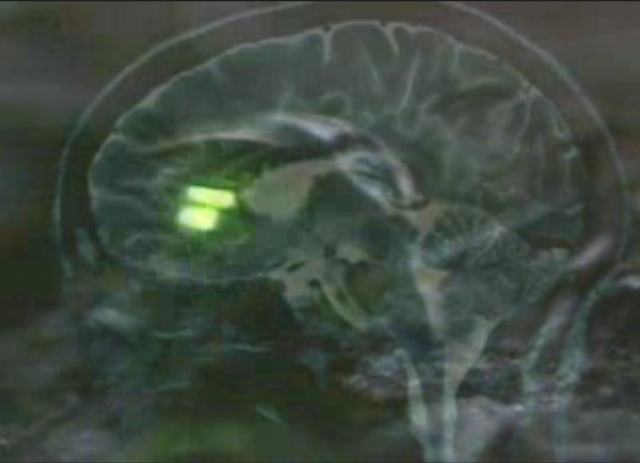
A group of scientists at the Croatian Brain Research Institute in cooperation with the Laval University in Canada started a research on post-stroke events in the brain using unique mouse models, which enable a real-time visualization of the gene activity in a living mouse. The mice carry a firefly gene, luciferase, which enables the production of light, i.e. bioluminescence, as a marker of the activity of the investigated genes. When activated these genes become a small source of light within the mouse brain, which passes through the skull and fur and it is subsequently recorded by high sensitivity video camera. Using this method, scientists can observe what happens after stroke in the brains of live animals at the molecular level.
Since 1st of February 2009 a new scientific project financed by Unity through Knowledge Fund, UKF, (http://www.ukf.hr/default.aspx?id=198) named
Regeneration and plasticity after ischemic brain damage
studied on innovative transgenic mouse models,
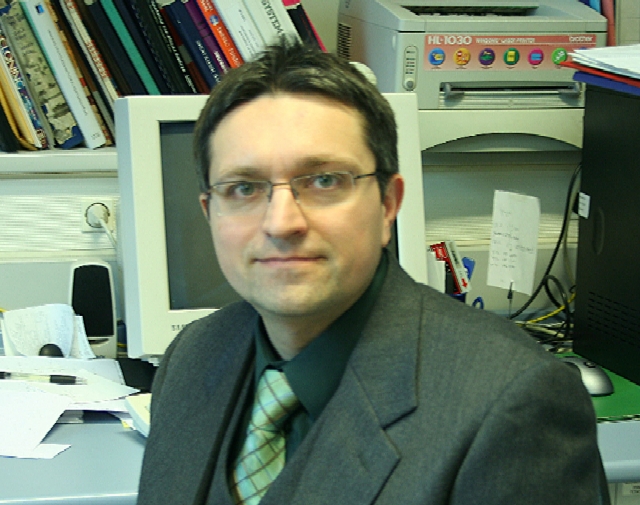
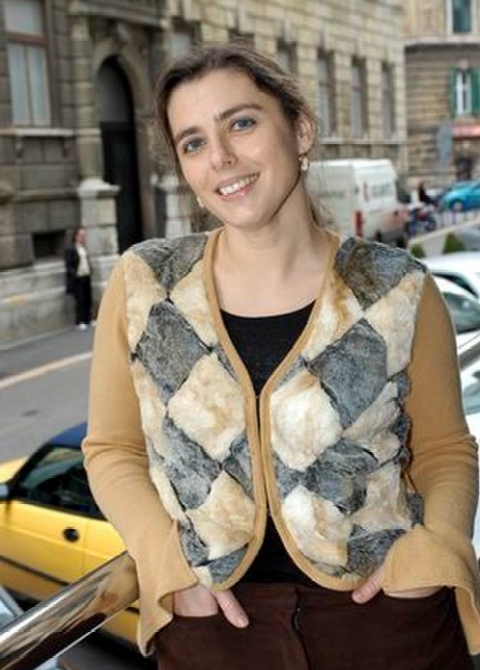
was started by the group of prof. dr. Srećko Gajović, Head of the Section for Neurogenetics, Cytogenetics and Developmental Genetics at the Croatian Institute for Brain Research, School of Medicine, University of Zagreb. UKF projects stimulate collaboration of the Croatian scientists in the country and those abroad. The project would be done in collaboration with prof. dr. Jasna Križ from the Faculty of Medicine, Laval University in Canada, where the ‘glowing’ mice were generated.
In order to create ischemic damage that resembles a stroke in humans, a thin filament is temporarily introduced into arteries that supply blood to the mouse brain. As a consequence the stop in the blood flow causes a brain damage. There are two conditions that will be observed in those mice: the subsequent inflammation will be monitored via activated glowing cells of the microglia, and the recovery of the brain with the growth of new glowing nerve cell processes. One of the expected results of the project will be a joint Croatian-Canadian platform in which those mice could be used to assess the different approaches for future stroke therapy.
Sincerely,
Prof. Dr. Srećko Gajović |